
Dehumanization versus Individual Dignity
The Tattooist of AuschwitzThis conflict thread follows the many moments when the Nazi system tries to crush identity and how Lale and Gita resist by holding on to names and love.
increasing Bearing strength in each event
 decreasing
Bearing strength in each eventdecreasingCattle Wagon Humanity
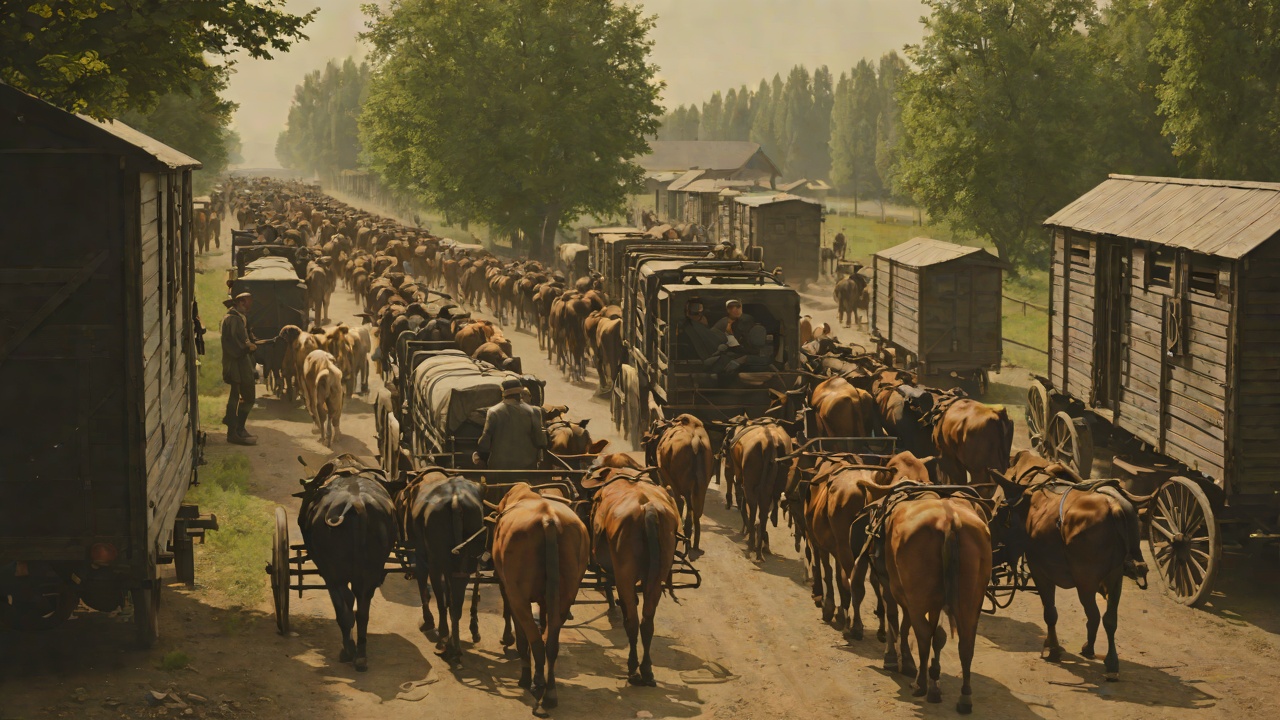
Cattle Wagon Humanity
Lale Sokolov is packed into a wagon built for livestock, where men fight over buckets and die in the dark. The journey is the first lesson in being treated as cargo.
The Man Who Dies
In the crush, a man is killed in a scuffle. Lale thinks, 'My life is too good to end in this stinkhole,' and resolves to cling to his humanity.
Refusing the Animal
The men around him sometimes moo in the darkness, a bitter joke that keeps a thread of self-ownership alive.
Strip and Shave
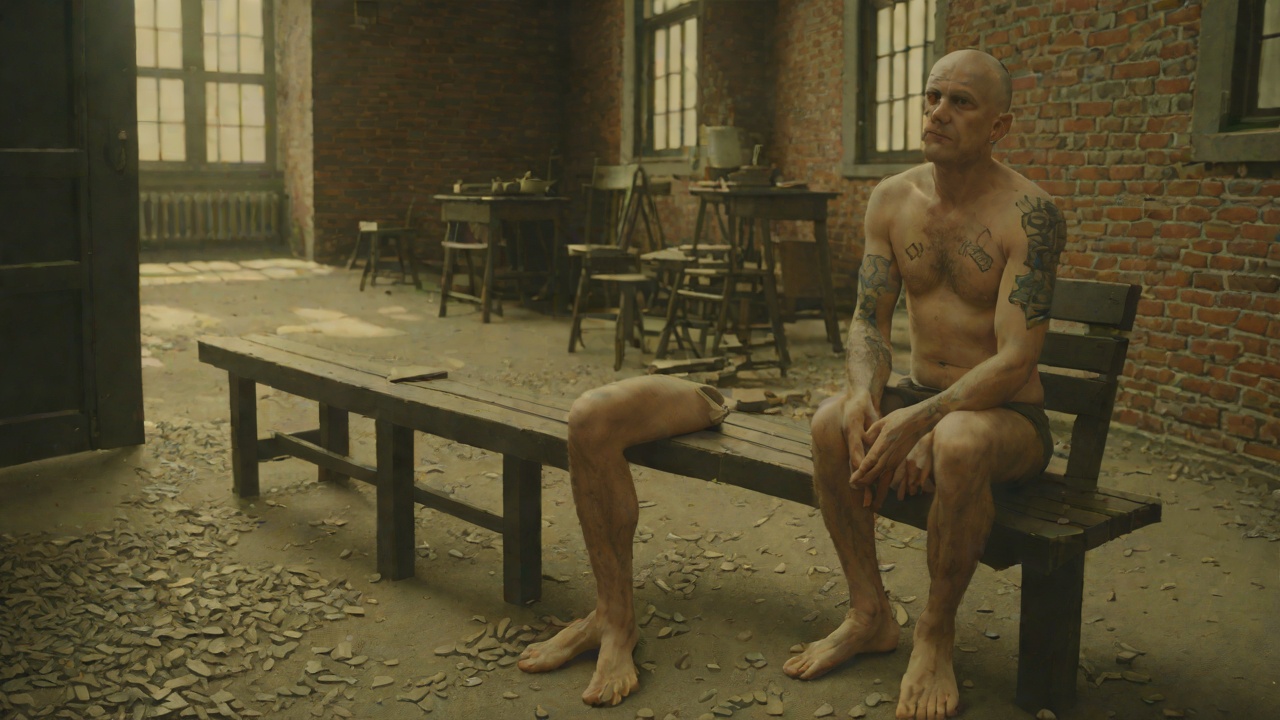
Strip and Shave
At Auschwitz, Lale Sokolov is ordered to strip in a brick building and leave his clothes on a bench. He is shaved head to toe and given a Russian uniform and wooden shoes.
The Last Match
Before surrendering everything, Lale strikes a match and sets fire to the lining of his jacket. It is the final act of his own free will.
Losing the Self
Lale watches his identity dissolve into stubble, dirt, and borrowed clothing. The system wants every man to be the same.
The Number as Identity
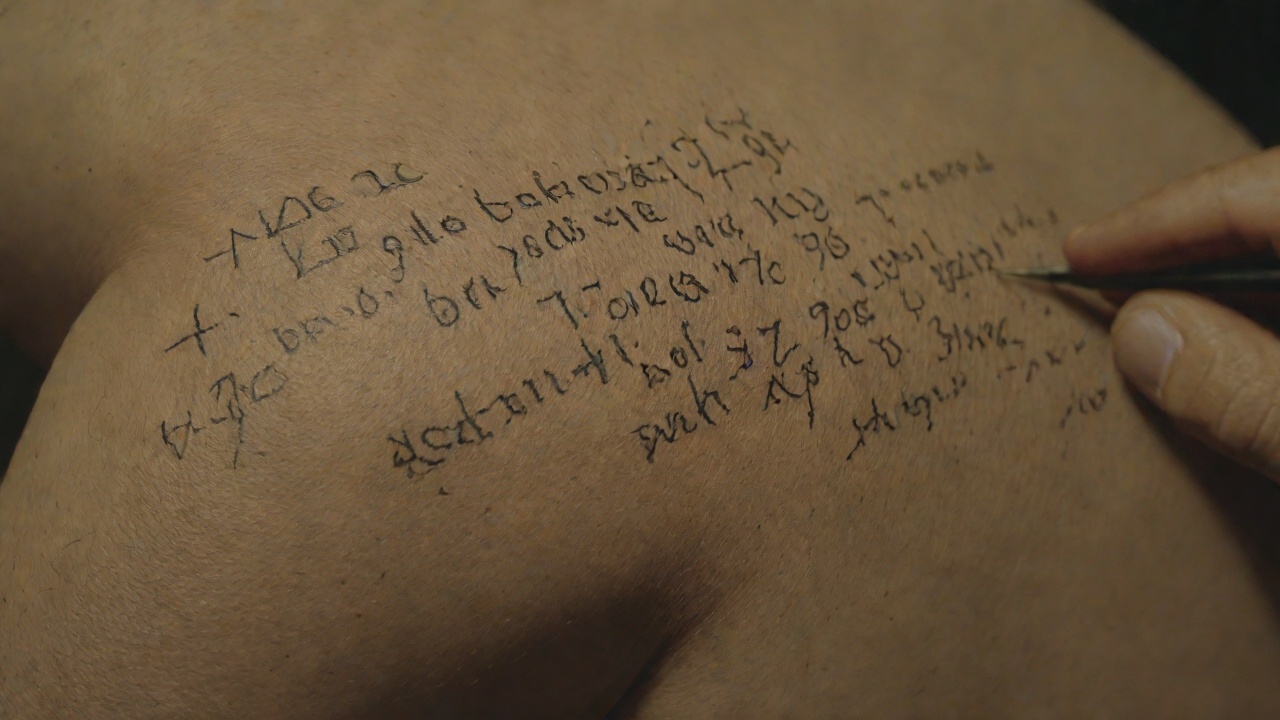
The Number as Identity
Lale Sokolov feels the needle stab 32407 into his arm. He stares at the irregular digits and wonders if he will be defined by this moment for the rest of his life.
A Brand of Ownership
The number is a brand, not a name. It replaces his family, his job, his language, and his history.
The Refusal to Become a Number
Even as the ink sinks in, Lale feels a stubborn core of identity that the SS cannot reach. That core is what will later fall in love with Gita Furman.
Gita the Number
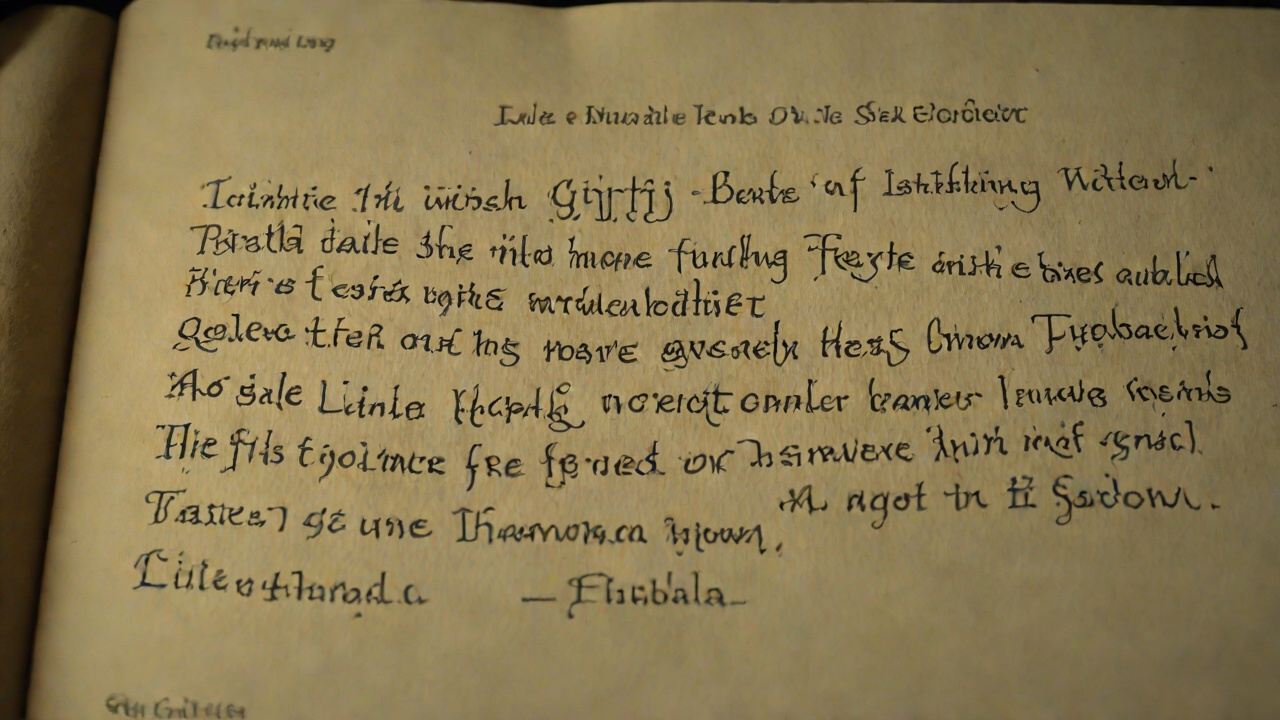
Gita the Number
When Lale Sokolov asks Gita Furman for her last name, she says she is just a number, the number he gave her. Lale refuses to accept that definition.
Outside Doesn't Exist
Gita says the outside no longer exists, only here. The camp has erased her past and her family.
Lale's Answer
Lale gives his full name, Ludwig Eisenberg, and his hometown. He asks Gita to promise that before they leave she will tell him who she really is.
Mengele's White Coat
Mengele's White Coat
Josef Mengele uses his white coat to hide his violence, stroking girls' faces before rejecting them. In Block 10, Lale Sokolov watches the doctor grope a frightened woman while telling her she is safe.
Medicine as a Weapon
The white coat is supposed to signify healing, but here it authorizes cruelty. The dehumanizing force of science is on full display.
The Gasp of Dignity
Each girl's silent tears are a protest against being reduced to a body. Lale's shaking hands are an answer.
Tattoo as Passport
Tattoo as Passport
At the border between Austria and Slovakia, officials demand Lale Sokolov's papers. He rolls up his sleeve and shows the number 32407 instead.
The Mark Becomes a Testimony
The official accepts the number as proof that Lale is a Slovak prisoner returning home. The dehumanizing tattoo becomes a passport.
Reclaiming the Mark
The same number that tried to erase him now proves his survival. Lale walks into Slovakia as a free man, still carrying 32407 on his arm.
April 1942, during the journey to Auschwitz
April 23, 1942, during arrival processing
April 23, 1942, at the tattooing table
summer 1942, behind the administration building
May 1943 and summer 1943, in the selections and Block 10
April 1945, at the Slovak border
